From 2 to 4 February 2025, Girona hosted the Training of Trainers and the 3rd Transnational Meeting of the
MARIAN project – Integrating Montessori & Creative Technologies for Enhanced Math Education in
Multicultural Schools.
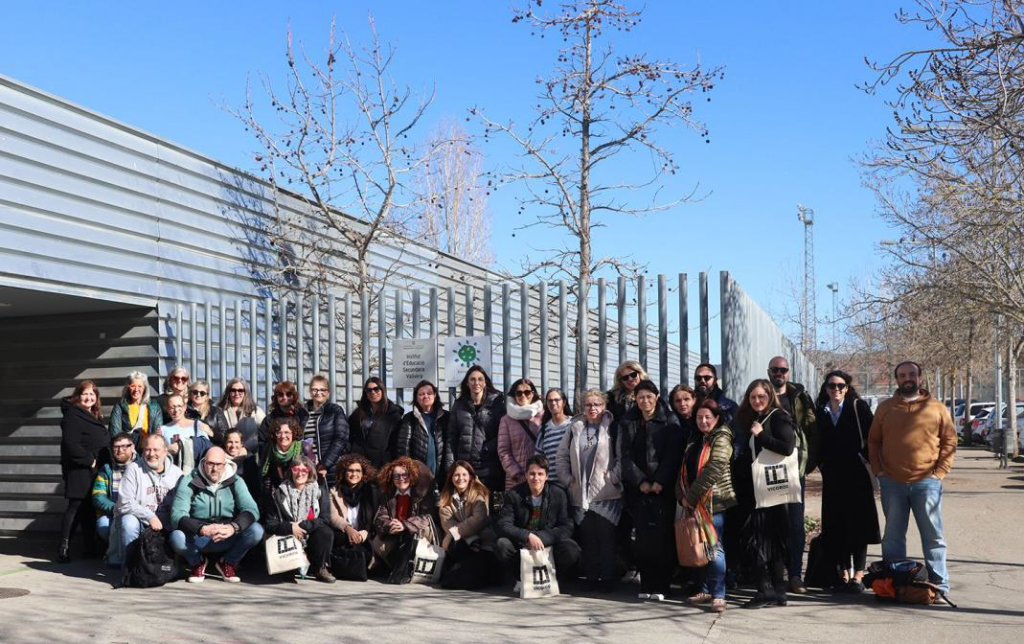
The event brought together over 35 teachers and educators from more than 20 schools and institutions
across Spain, Italy, Greece, Romania, and Bulgaria, together with researchers from the University of Girona
and the European Montessori College. The diversity of languages, cultures, and educational contexts
reflected the project’s core mission: making mathematics meaningful and accessible for all learners.
Reimagining mathematics education for inclusive classrooms
MARIAN seeks to transform mathematics teaching in upper primary and lower secondary education by
combining Montessori-inspired pedagogy, creative technologies, and hands-on learning. The project
promotes inclusion and equity, with particular attention to students from refugee, migrant, and minority
backgrounds, while empowering teachers through innovative curricula and professional development.
Learning through experience
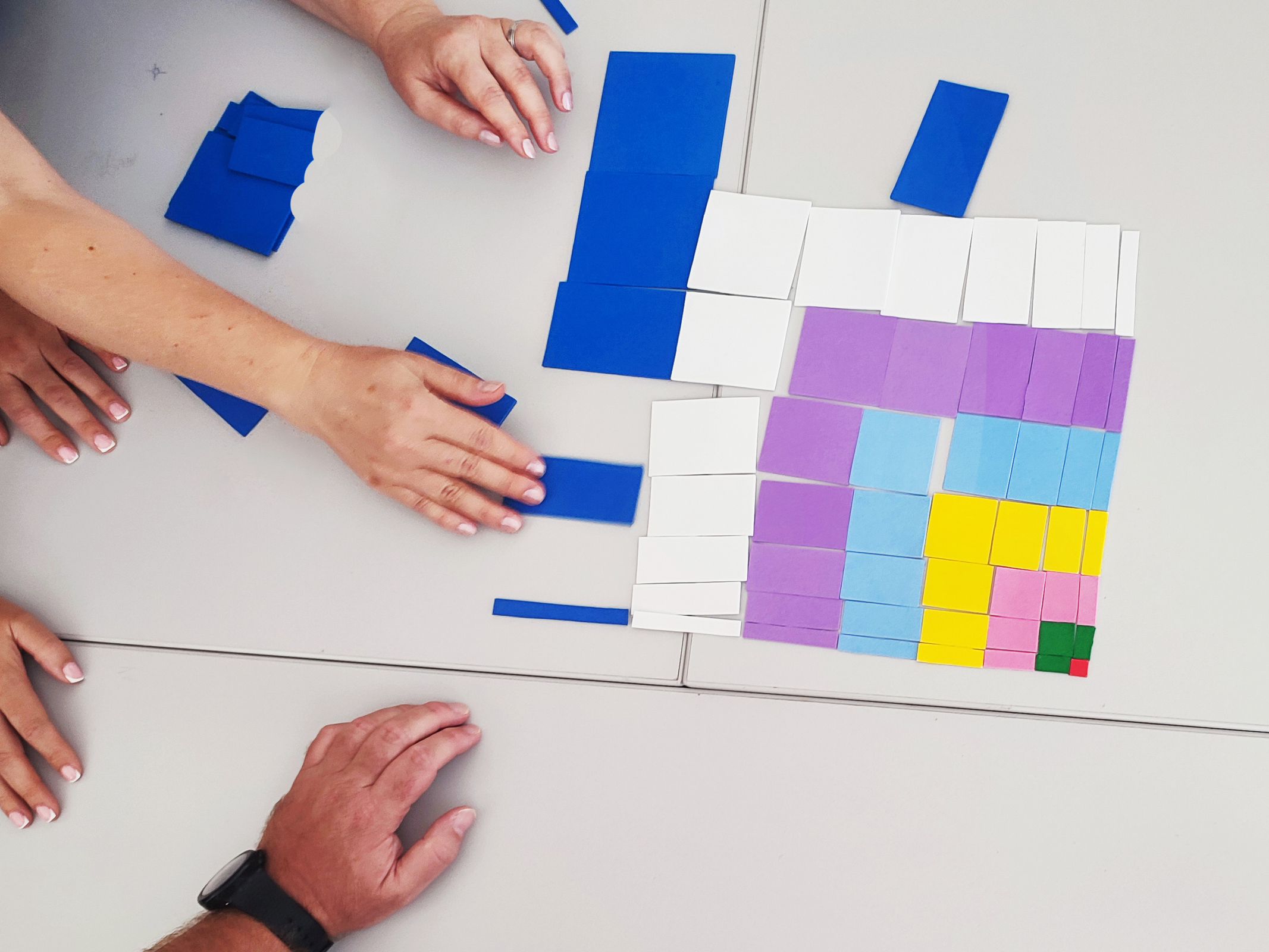
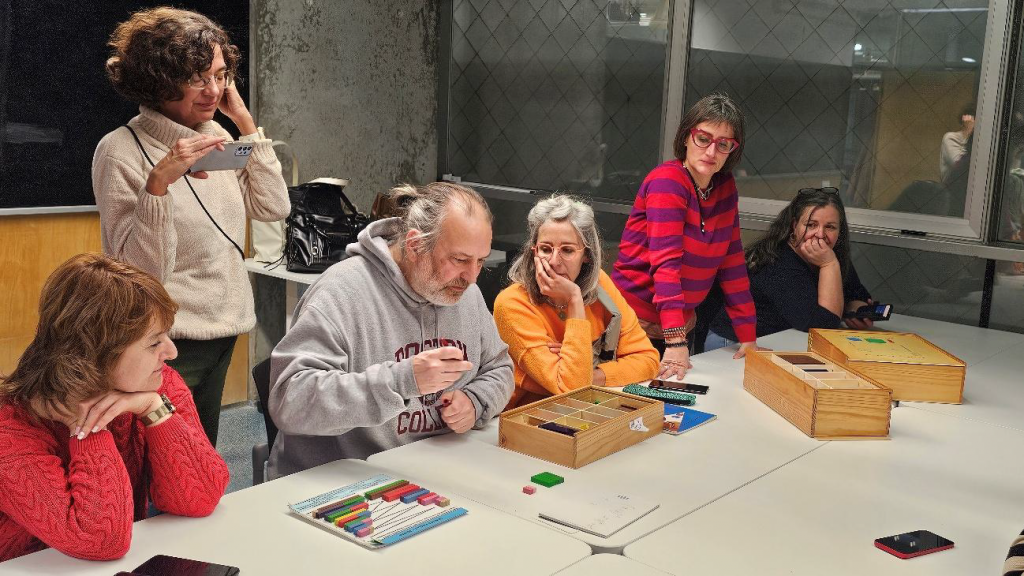
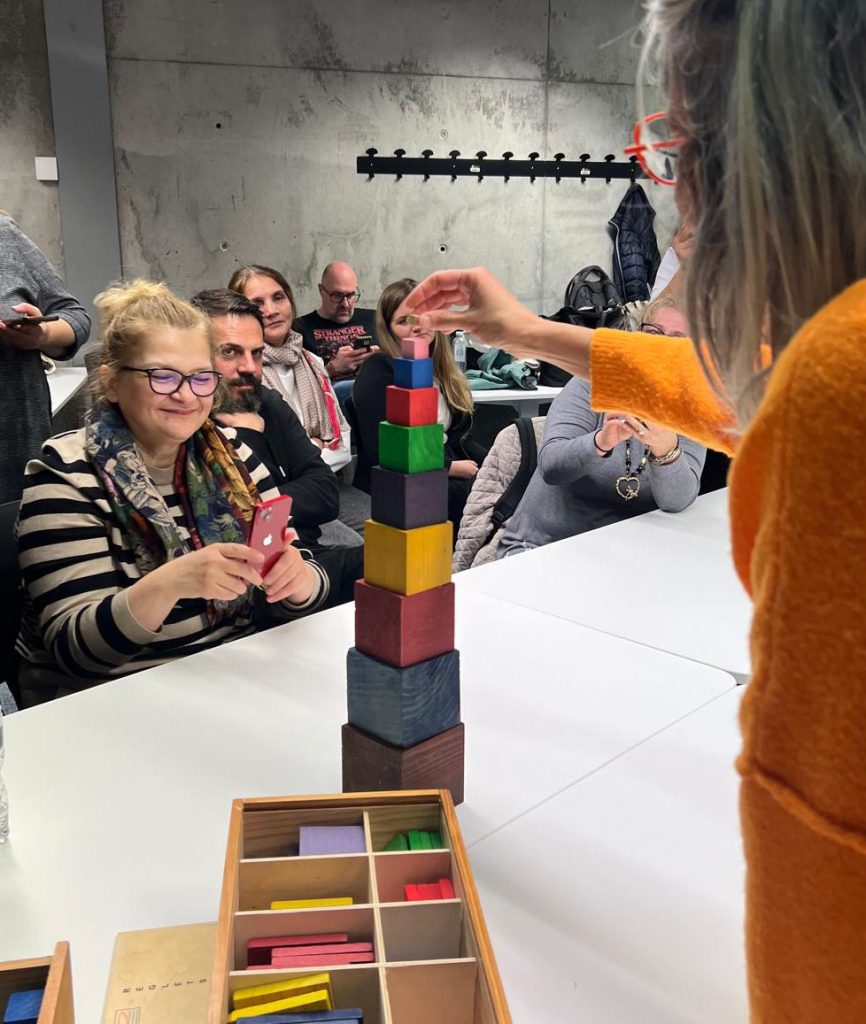
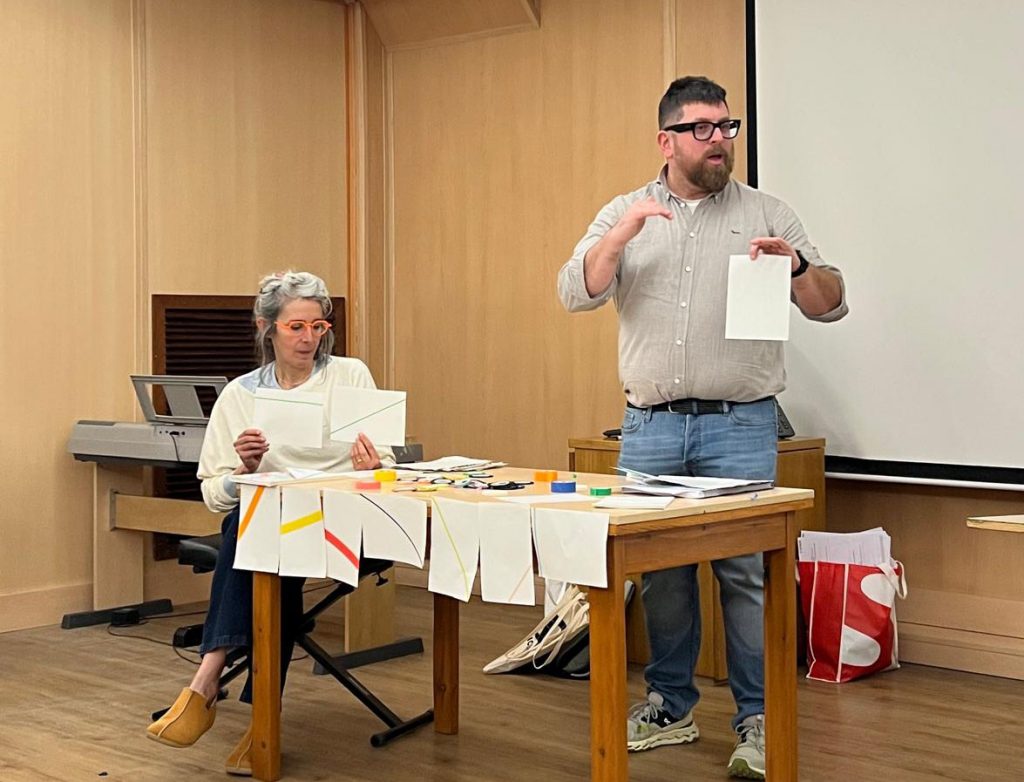
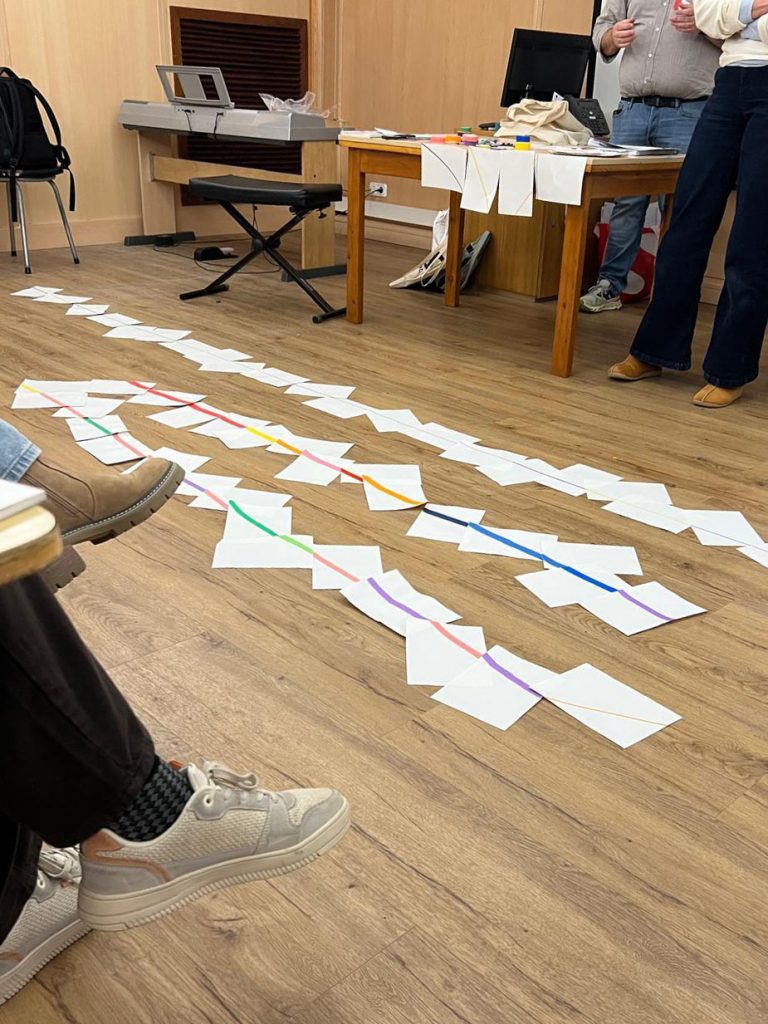
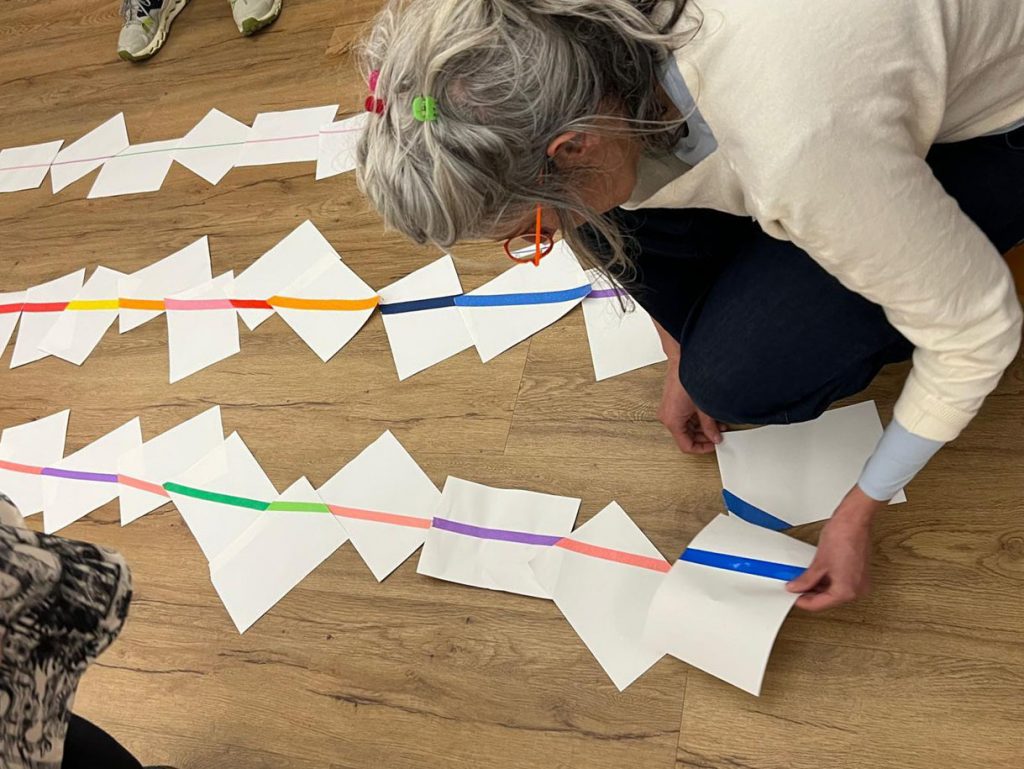
The Girona training was designed as an immersive experience where participants learned by doing,
reflecting, and collaborating. Sessions explored mathematical task design, Montessori principles, and
creative technologies as tools for expression and understanding.
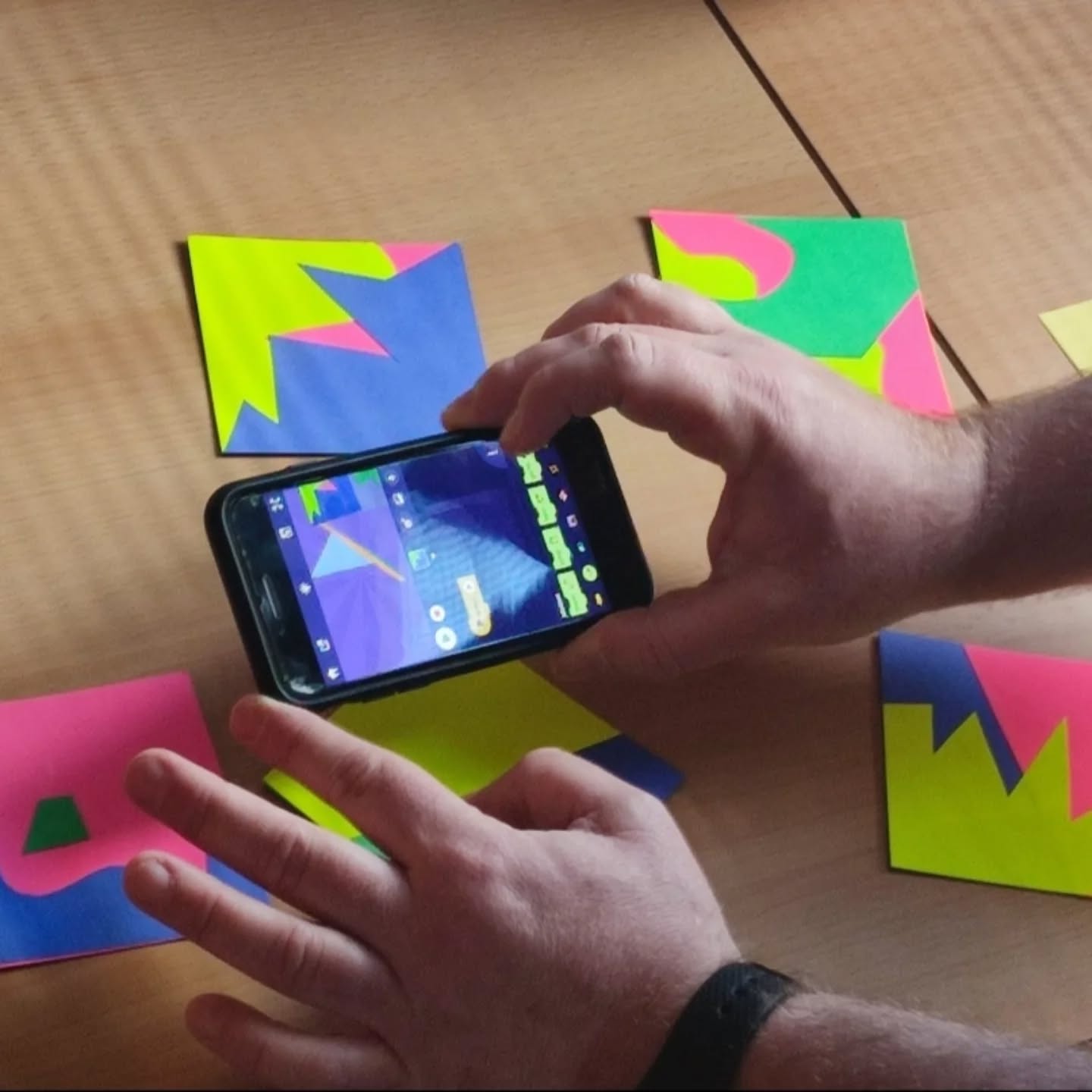
A live demonstration using Makey Makey and Scratch showed how everyday materials can be transformed
into interactive instruments, highlighting the playful and creative potential of technology in mathematics
learning.
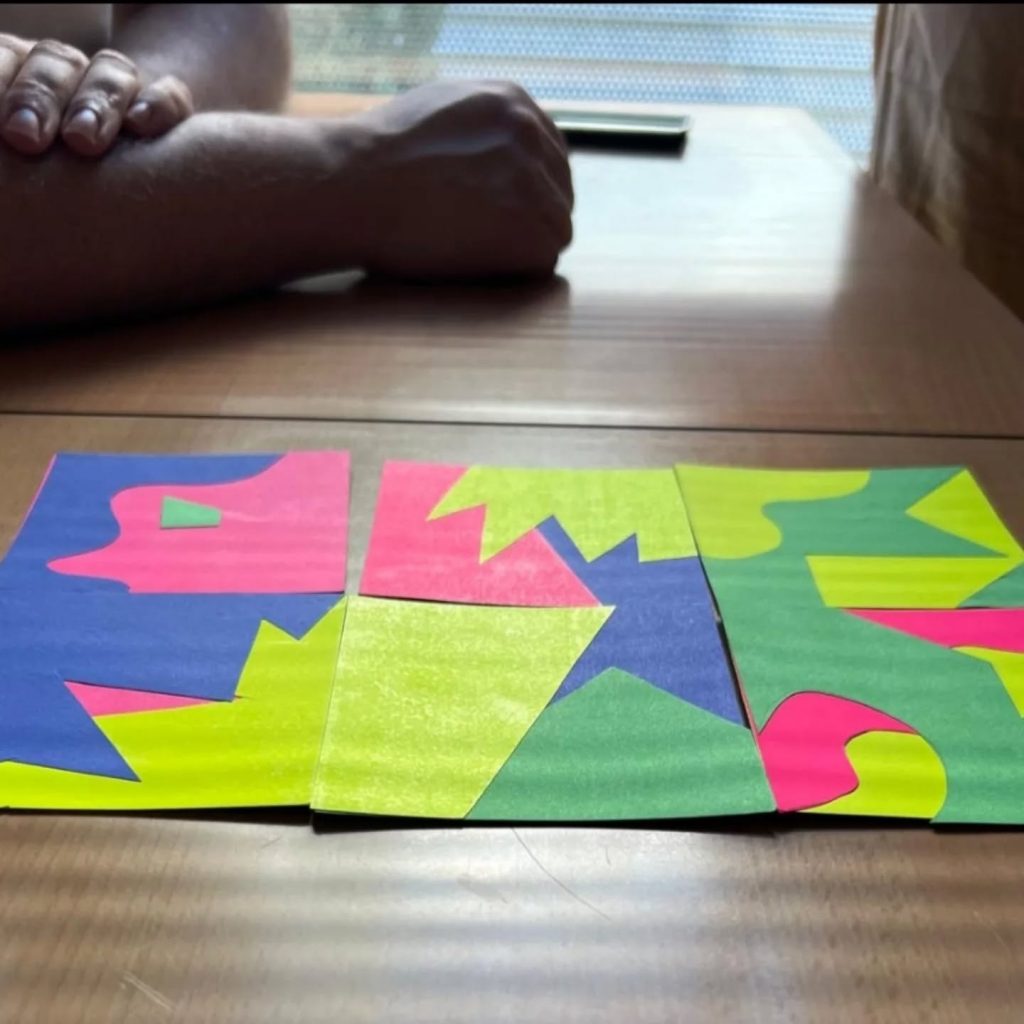
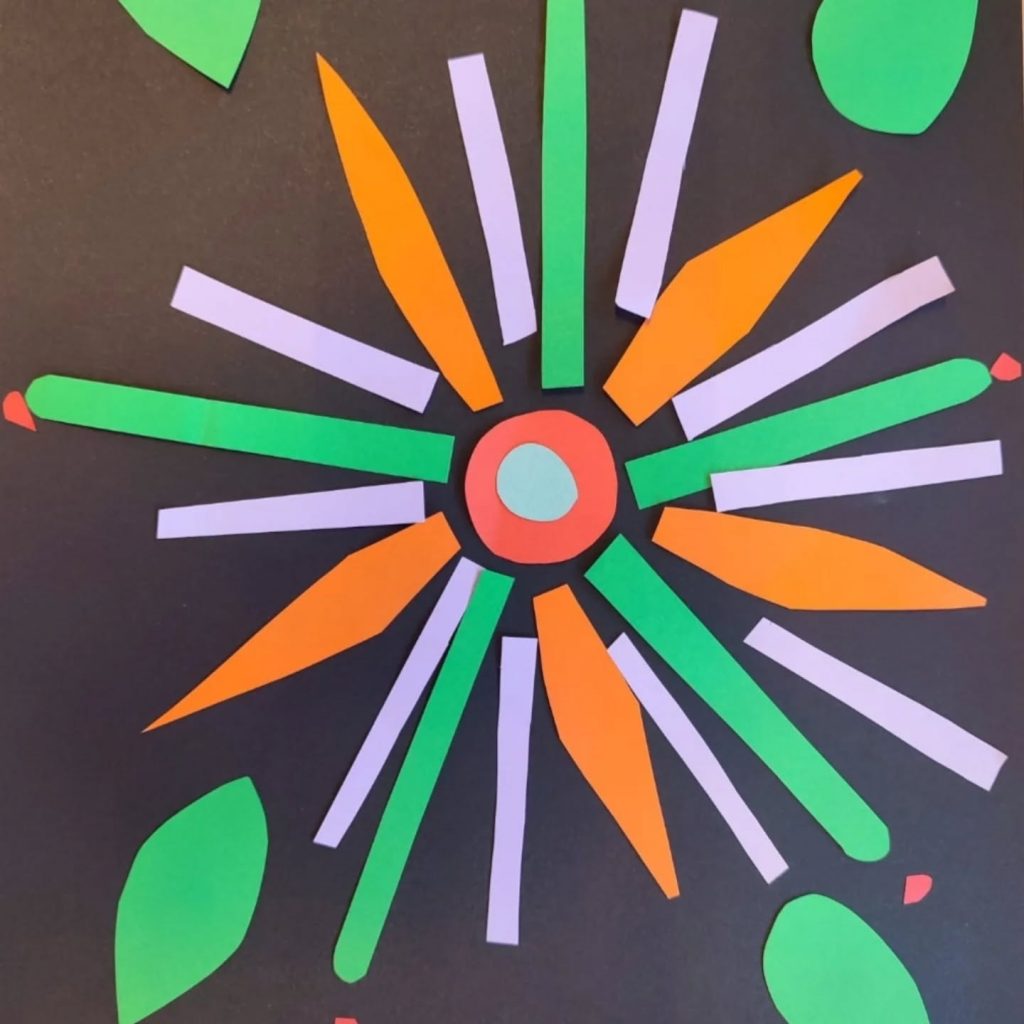
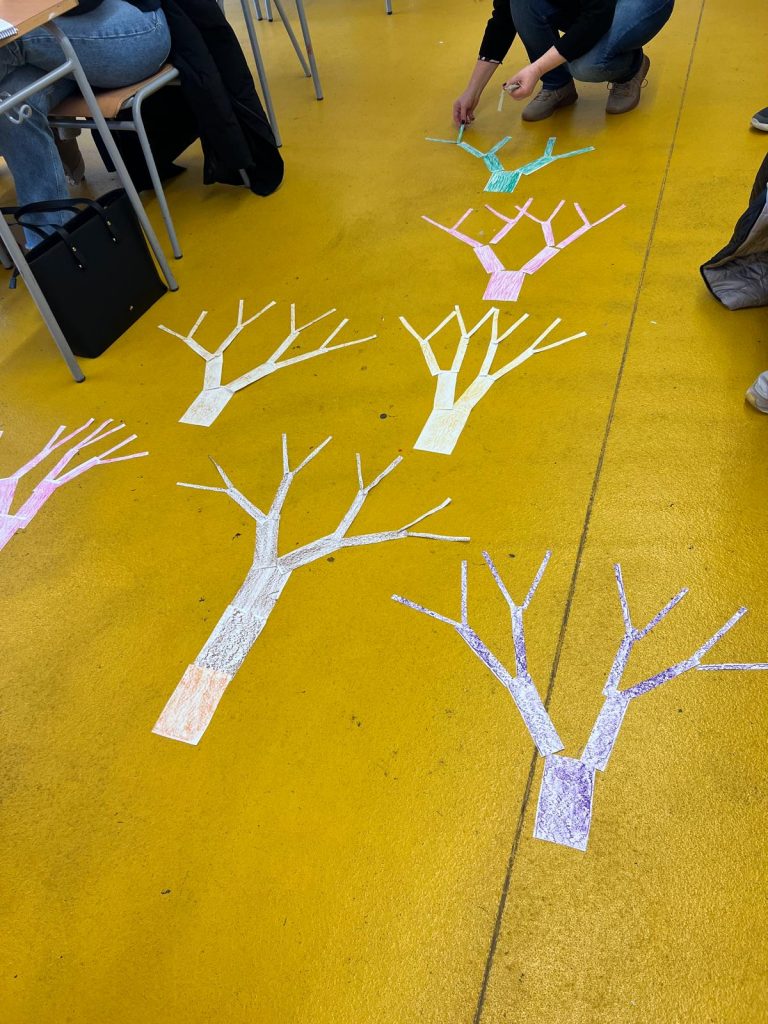
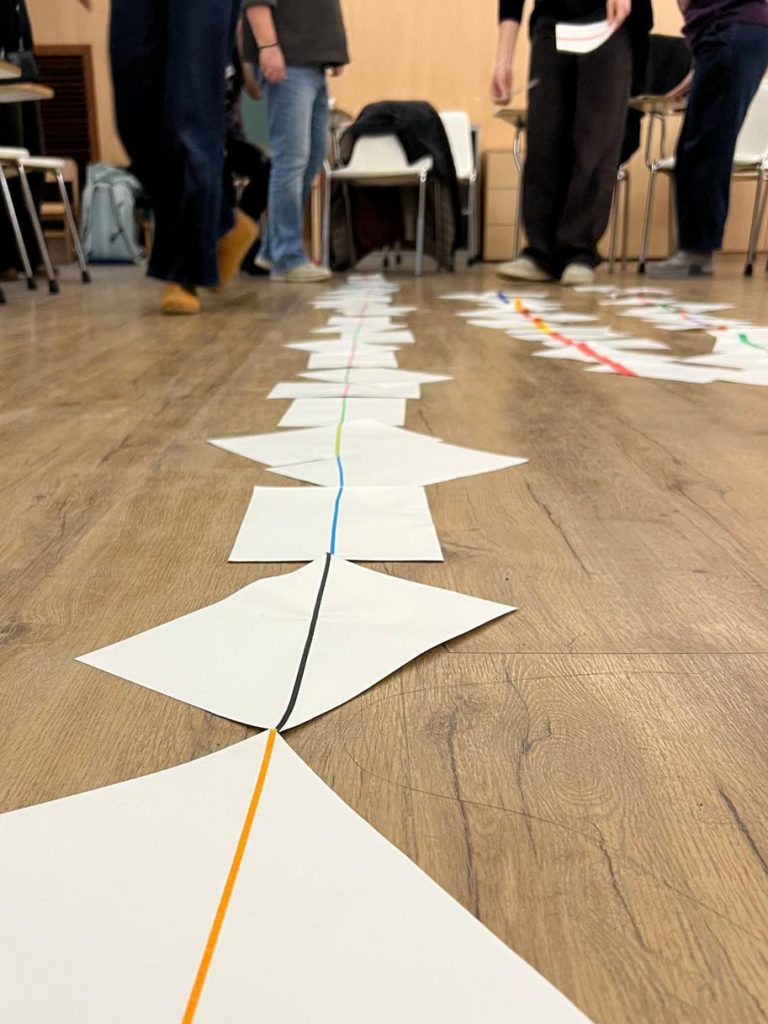
Mathematics in real classrooms
A defining feature of the event was its strong connection to real educational environments.
At Montessori Palau Girona, participants observed and experienced classroom activities with students,
including lessons on fractions, percentages, and discovering the area of a circle through hands-on
exploration.
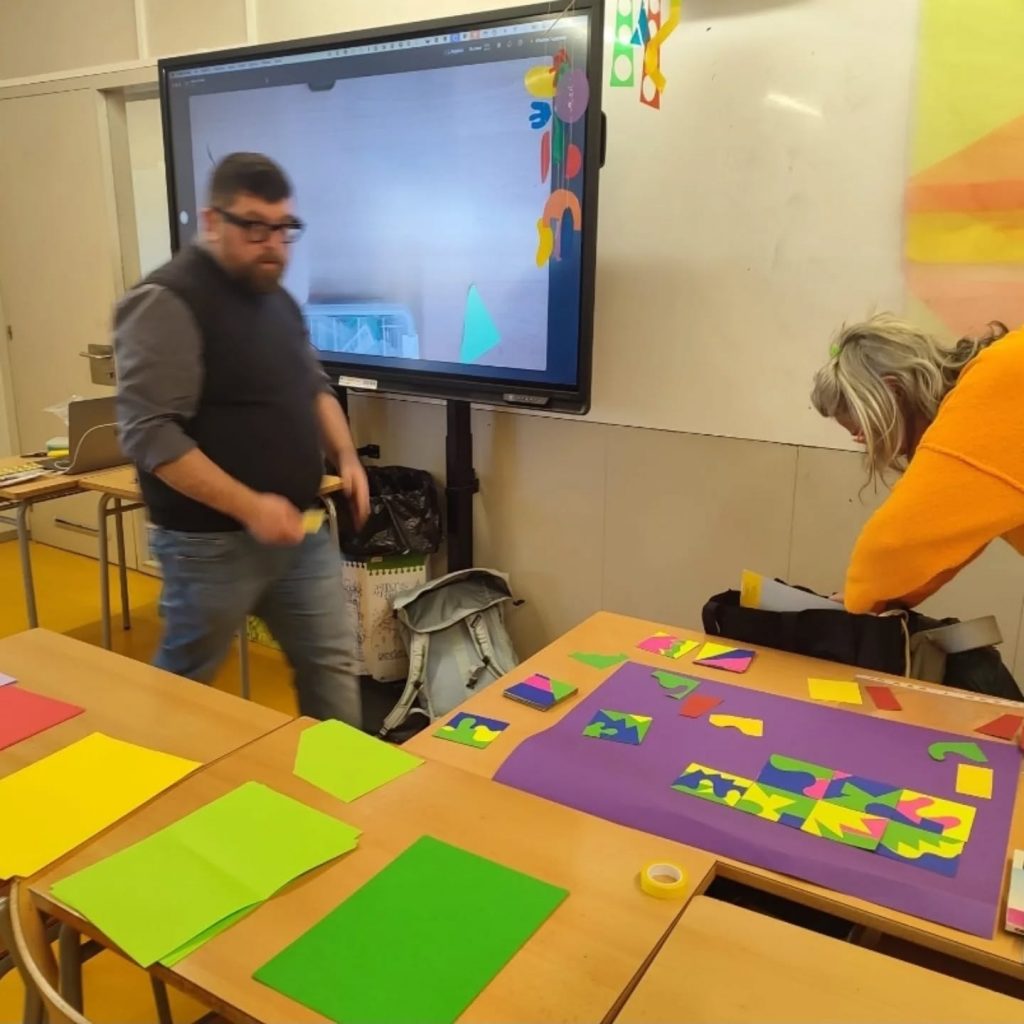
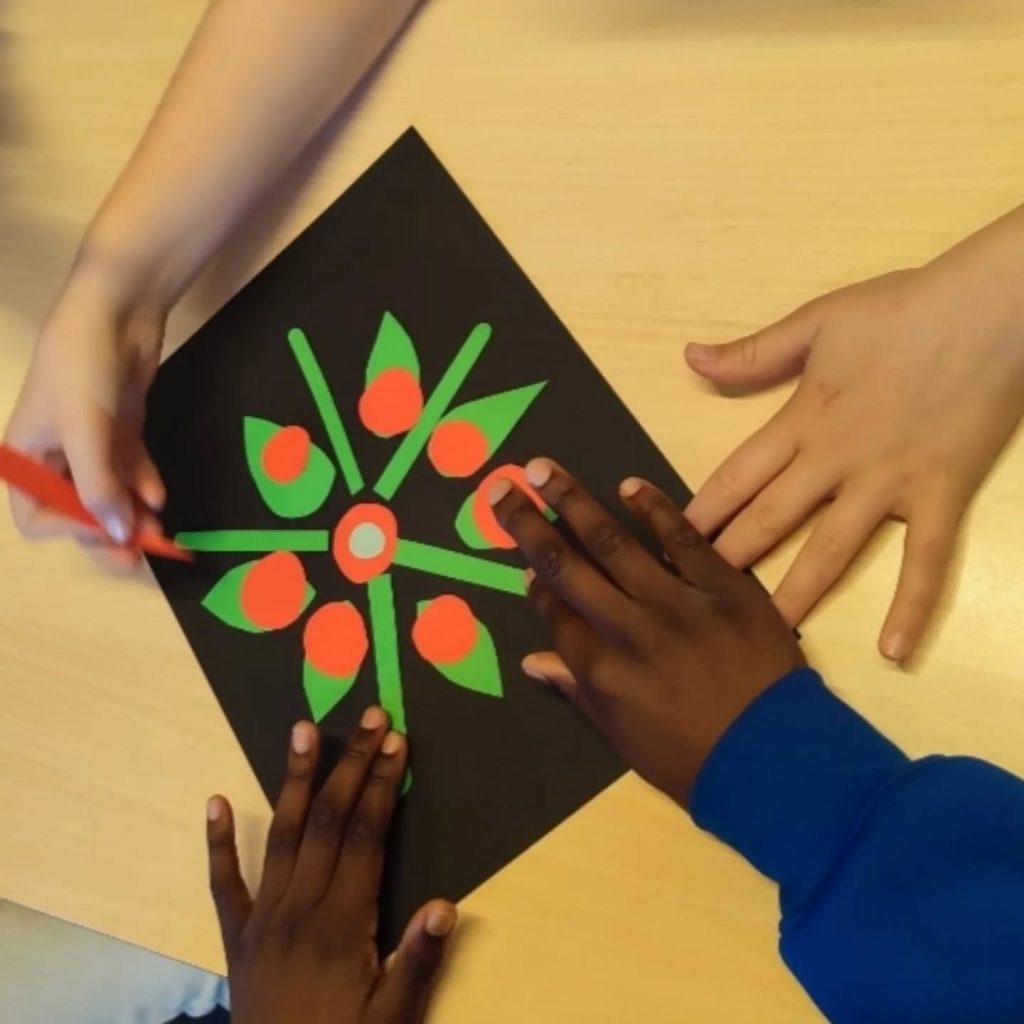
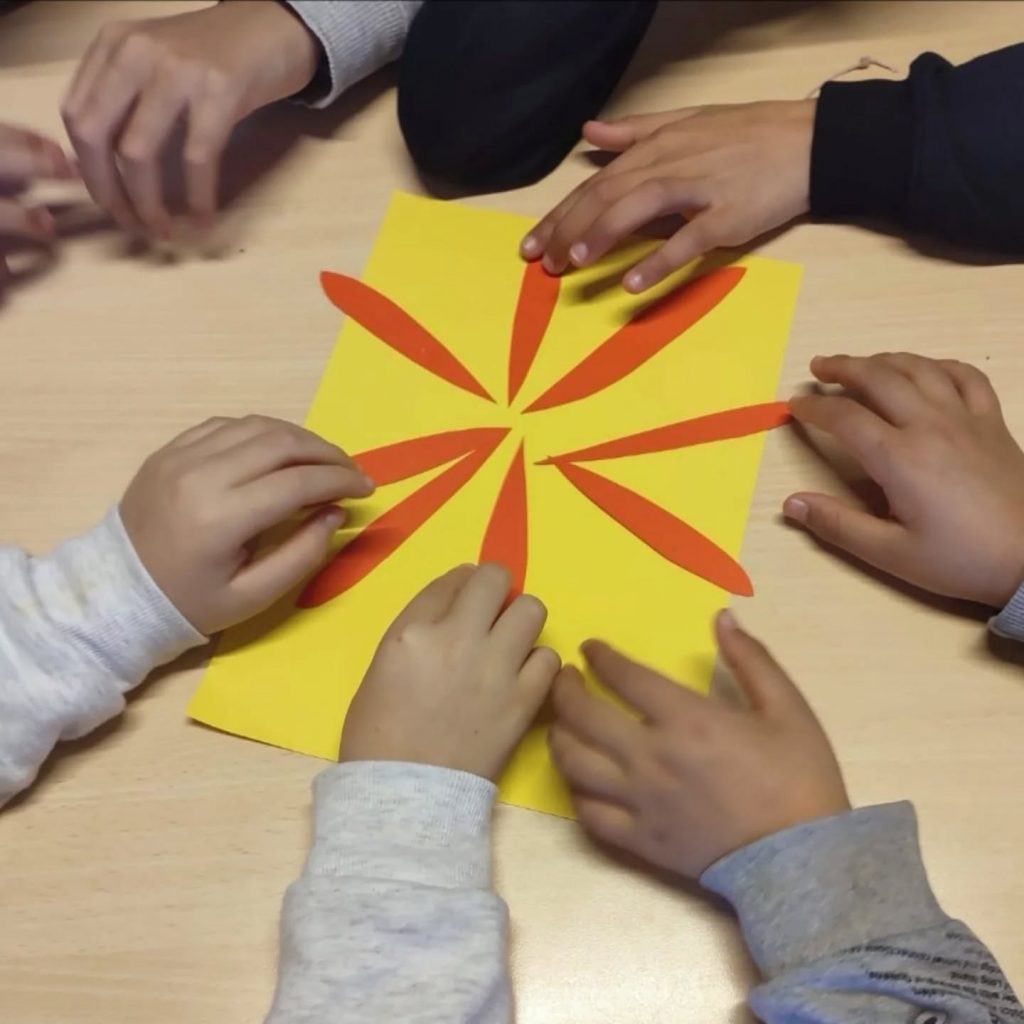
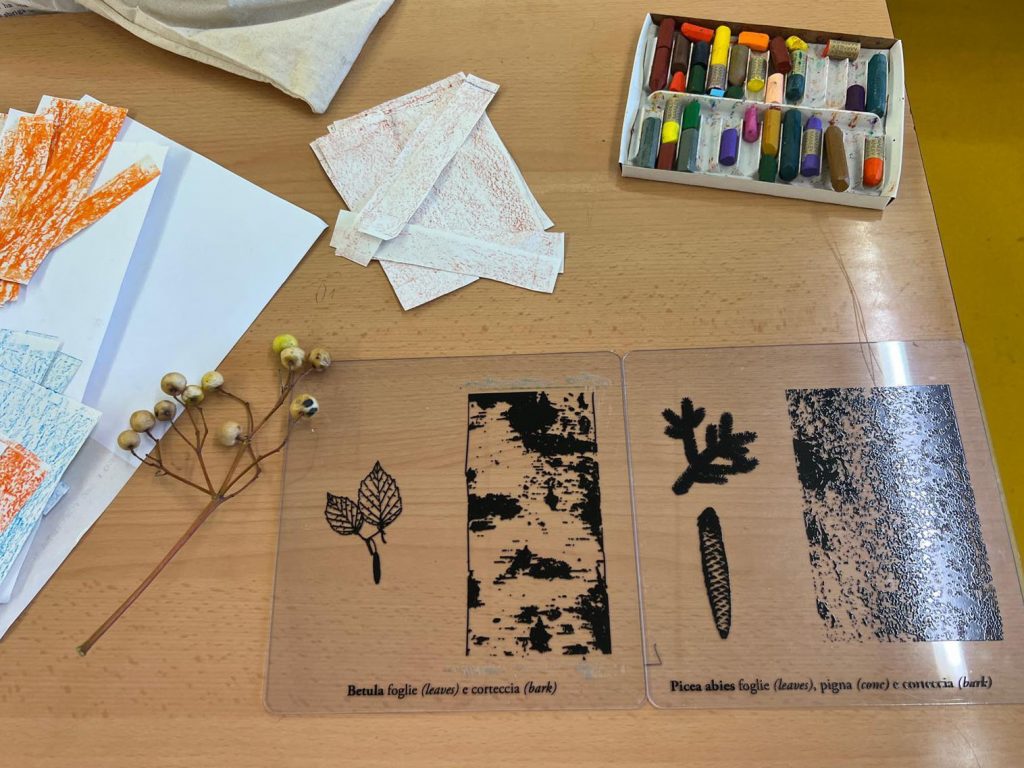
On the second day, training took place at IES Vallvera in Salt, a culturally diverse secondary school serving
students from migrant and low-income backgrounds. Activities demonstrated how mathematics can foster
inclusion through pattern exploration, geometry in motion, algebraic thinking, and connections with natural
structures.
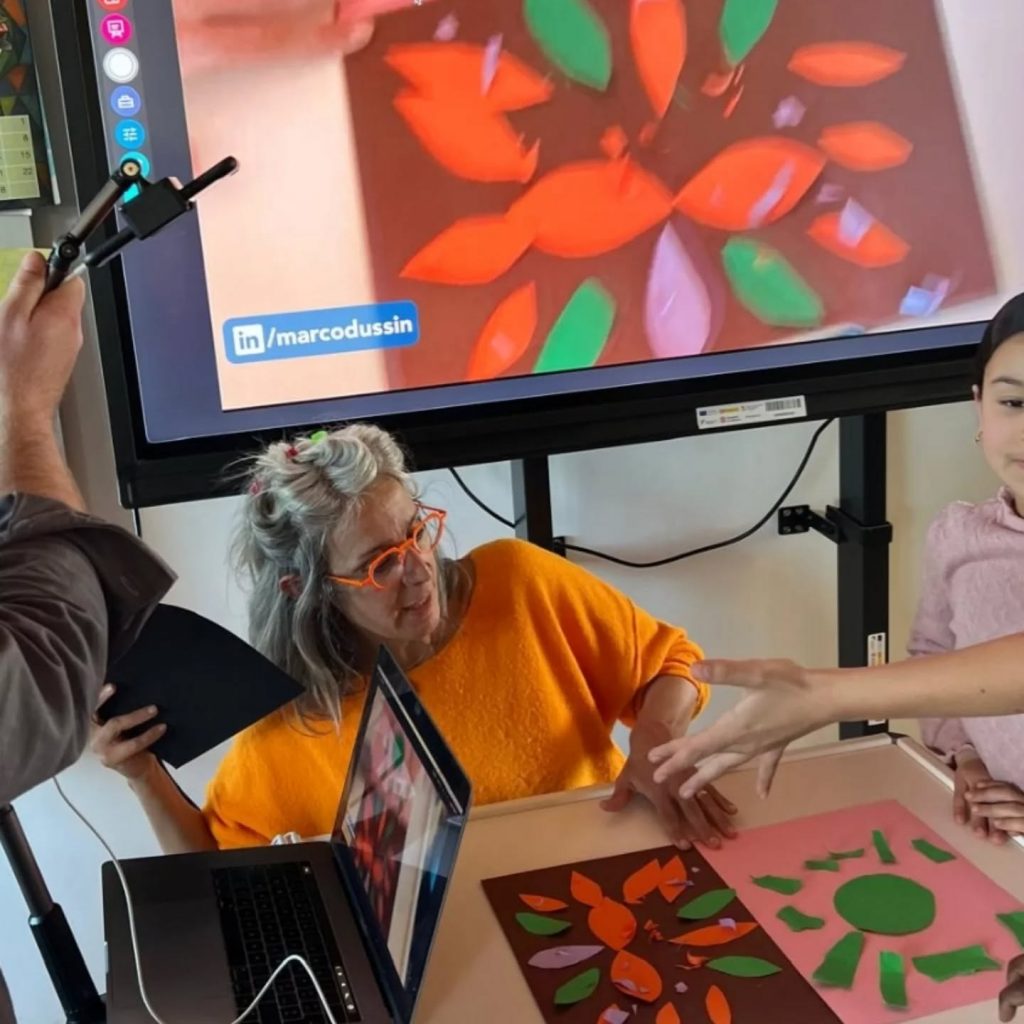
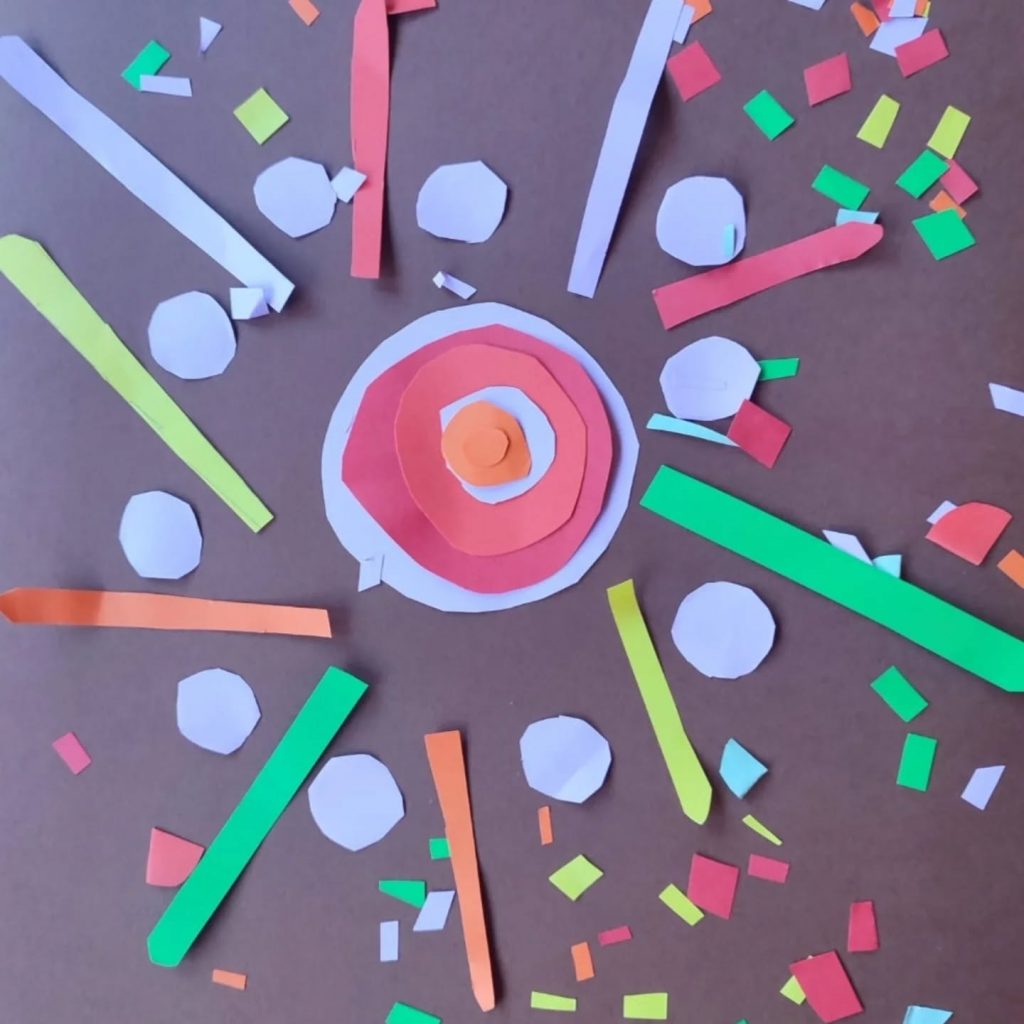
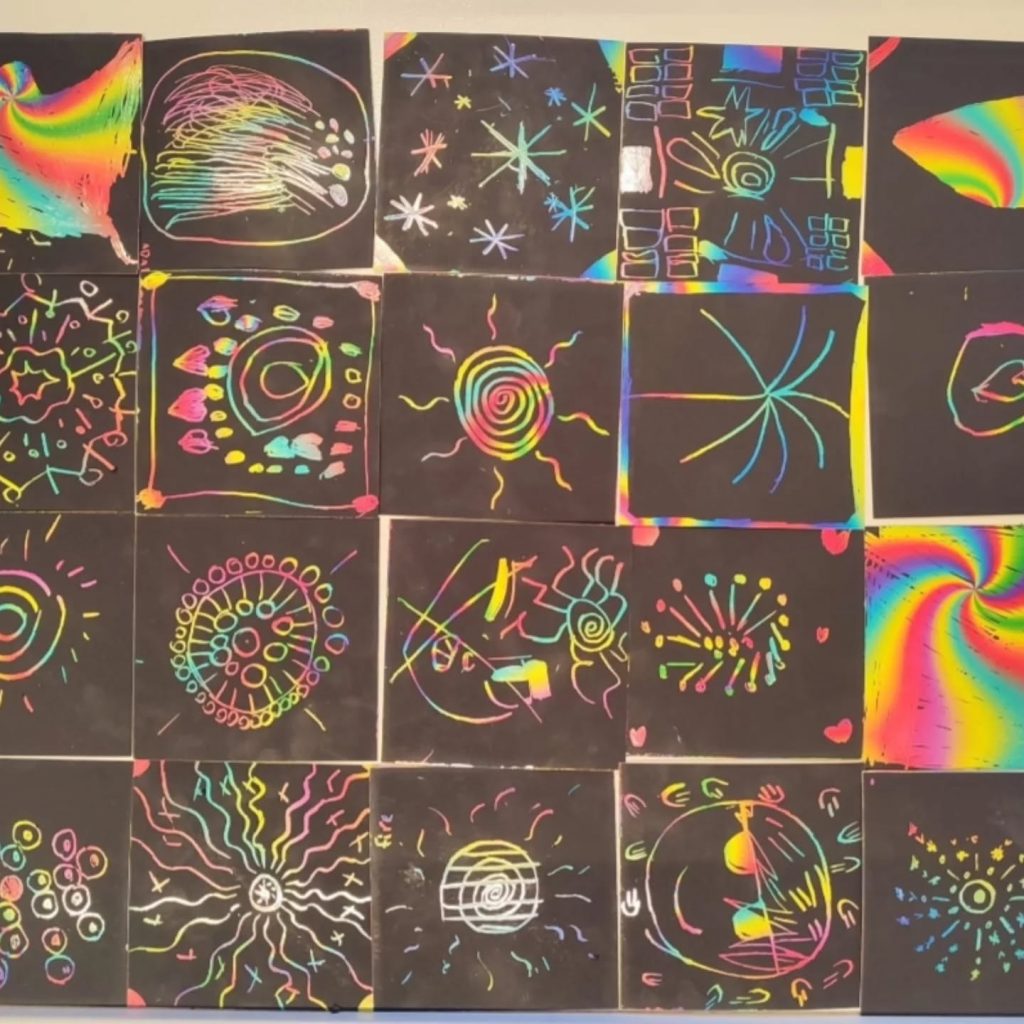
In the afternoon, participants observed classroom interventions at Escola El Gegant del Rec, where primary
students engaged with multiples and divisors, magic triangles, and the mathematics of fireworks. The day
concluded with a visit to GAMAR, a mathematics education resource centre at the University of Girona,
showcasing materials inspired by Maria Antònia Canals.
From training to classroom implementation
Following the training, participating teachers will implement selected MARIAN lesson plans in their own
classrooms and document their experiences. Their reflections will contribute to refining the MARIAN Guide
and will be shared during the reflection meeting in Sofia.
This collaborative process ensures that the project remains grounded in classroom realities while building a
shared European approach to inclusive mathematics education.
Looking ahead
With classroom implementation now beginning across partner countries, MARIAN continues to grow as a
European community of practice working toward a more inclusive, creative, and meaningful mathematics
education for all learners